
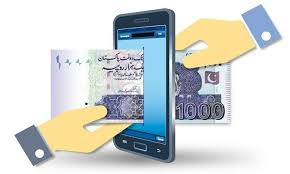
The way people make payments in Pakistan is changing faster than ever before. With the rise of digital wallets in Pakistan, cash is no longer king — convenience, speed, and security are leading the way. From small vendors in local markets to major online stores, digital payments are shaping a new era of financial inclusion and modernization.
In this article, we’ll explore how digital wallets are transforming Pakistan’s financial ecosystem, their benefits, challenges, and how they’re paving the road to a truly cashless society.
1. What Are Digital Wallets?
A digital wallet (or e-wallet) is a mobile-based payment application that allows users to store money digitally, make transactions, and even pay bills without the need for cash or cards. Users can easily link their bank accounts or load funds into the wallet for quick, secure transactions.
These platforms have made digital payments accessible even for people without traditional bank accounts — a game changer in a country where millions remain unbanked.
2. Why Digital Wallets Are Growing in Pakistan
The demand for digital wallets in Pakistan has skyrocketed due to a combination of technology adoption, government initiatives, and lifestyle changes.
a. Increased Smartphone Penetration
With over 190 million mobile users and growing 4G/5G access, more Pakistanis are using smartphones to manage finances. Mobile-based wallets make financial services available to anyone with a smartphone — no need to visit a bank.
b. Rise of E-commerce and Online Payments
The booming e-commerce sector, powered by platforms like Daraz, Foodpanda, and Careem, has accelerated the use of digital wallets. People prefer the speed and reliability of digital payments over cash-on-delivery options.
c. Government Push Toward Financial Inclusion
The State Bank of Pakistan (SBP) and National Financial Inclusion Strategy (NFIS) are encouraging digital payment systems to bring more people into the formal financial sector. Initiatives like Raast, the instant payment system by SBP, further support this mission.
3. Benefits of Digital Wallets for Consumers
Digital wallets offer numerous advantages for users, making daily financial activities faster, safer, and more efficient.
a. Instant Payments
With a few taps, users can pay bills, send money, or shop online — all within seconds. No queues, no delays.
b. Enhanced Security
Digital wallets use encryption and biometric verification, reducing the risks of theft or fraud compared to carrying cash.
c. 24/7 Availability
Unlike traditional banking, digital wallets are available round the clock. Whether it’s midnight or a public holiday, payments can be made anytime.
d. Rewards and Cashback
Wallet providers often offer discounts, cashback, and reward points, making digital payments not just convenient but rewarding too.
4. How Businesses Benefit from Digital Wallets
It’s not just consumers who benefit — businesses in Pakistan are also leveraging digital wallets for growth and convenience.
a. Reduced Cash Handling
Digital payments eliminate the hassle of managing cash, reducing errors and theft risks for merchants.
b. Faster Transactions
Small businesses, restaurants, and delivery services can receive payments instantly, improving cash flow and customer satisfaction.
c. Broader Customer Reach
Accepting digital payments helps businesses attract tech-savvy customers and expand to online platforms.
d. Easy Integration
Wallet apps integrate easily with e-commerce sites, POS systems, and social media stores — giving merchants flexibility and scalability.
6. The Challenges Ahead
While digital wallets in Pakistan are growing rapidly, there are still hurdles to overcome.
a. Digital Literacy
Many users are still learning how to safely use mobile wallets, leading to concerns about security and scams.
b. Internet Connectivity
Rural areas with weak internet access face challenges in adopting digital payments effectively.
c. Trust and Awareness
People are still more comfortable with cash. Building trust through education and reliable customer service is crucial for mass adoption.
d. Regulatory Barriers
Fintech companies must navigate complex regulations from the State Bank and telecom authorities, which can slow innovation.
7. The Future of Digital Wallets in Pakistan
The future looks bright. The government’s efforts, combined with innovation from fintech companies, are rapidly digitizing the economy.
Here’s what we can expect in the coming years:
- Integration with Raast for seamless, instant transfers across all platforms.
- AI and biometric authentication to enhance security.
- Cross-border wallet payments, especially for freelancers and remote workers.
- Increased merchant acceptance, from local stores to transportation networks.
Pakistan is on the brink of becoming a cashless economy, and digital wallets are leading that transformation.
8. Why Now Is the Right Time to Go Digital
Whether you’re a business owner or a regular consumer, adopting digital payments is no longer optional — it’s essential. As Pakistan’s financial ecosystem evolves, digital wallets provide a smarter, safer, and faster way to transact.
They are more than just an app — they represent financial freedom, inclusivity, and a new digital era that connects everyone, everywhere.
Conclusion
The rise of digital wallets in Pakistan is reshaping how people handle money. With strong government support, fintech innovation, and growing public trust, the shift to digital payments is only accelerating.
As Pakistan steps toward a fully cashless future, those who embrace digital payments early will enjoy greater convenience, security, and opportunities in a rapidly evolving digital economy.